
Our story
Built from the community, for the community.
Founded in Blackpool in 2017, Counselling in the Community started with a single belief: that cost should never prevent someone from getting the mental health support they deserve. Nine years on, we're a registered charity, 100+ volunteers strong, reaching 160 people every week.

0+
Dedicated volunteers
0
Community hubs
0+
People supported each week
0
Years of CITC
Why we exist
Cost should never be a barrier.
We founded CITC because the people in our community who needed mental health support most were the ones least able to afford it. The NHS waiting list stretched for months. Private counselling cost £60+ a session. We built a different model.
Today, sessions start at £5. No one is turned away due to money concerns. Ever.
No one turned away
If you need support and money is a barrier, talk to us. We will find a way.
Self-referral, always
No GP letter needed. No waiting for a referral. You contact us directly.
Supported volunteers
All our counsellors are trained, and there's always a senior member of staff on site if they need someone to talk to.
Recognised for extraordinary voluntary work.
In 2025, Counselling in the Community received the King's Award for Voluntary Service — the highest award given to voluntary groups in the United Kingdom. It recognises the exceptional dedication of our volunteers and the impact they make on the mental health of people across the Fylde Coast.
“The King's Award recognises groups doing outstanding work in their community. Receiving it is a reflection of every volunteer who has given their time to support someone who needed it.”
— Counselling in the Community, 2025
Leadership
The people behind CITC
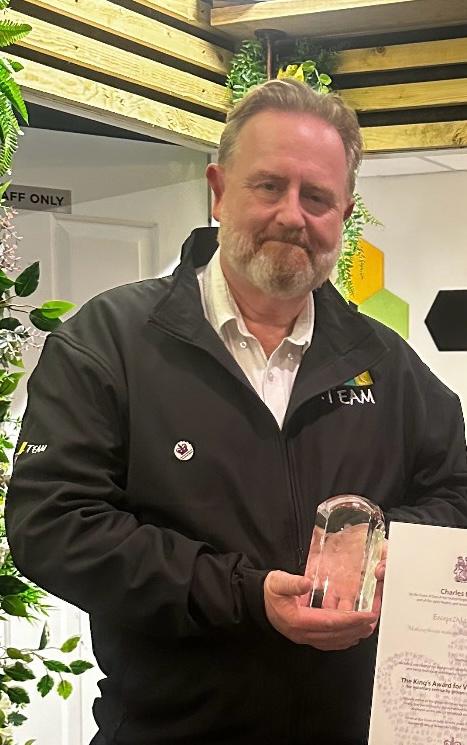
Stuart Hutton-Brown
Founder & Chief ExecutiveI started Counselling in the Community nearly ten years ago with two chairs in a small room on Dickson Road. The idea was simple: counselling should be there for anyone who needs it, the moment they need it most.
I'd spent years in retail management, but ill health forced a career change — and that period shifted everything. It taught me how fragile things can feel, and how hard it is to ask for help when the help you need isn't there.
I could see the gaps. People waiting too long. People struggling quietly. People falling through the cracks.
The mission hasn't changed. What has changed is the scale of the need. Today we support more than 160 people every week across four sites — but at its heart, CITC is still about those two chairs, and about giving someone a safe place to sit down, be heard, and feel a little less alone.
For me, it comes down to this: no one should have to reach breaking point before they can get support.
Board of Trustees
Governing with purpose
Elliott Evans
Trustee
I know what it's like to feel lost—to feel like my illness was a burden on my family. It took me a long time to realise I was so much more than my past, and in many ways I'm still learning every day. That realisation changed everything. Since then I've dedicated my life to supporting others—through founding The Chronic Edge and through my previous NHS work, in Personalised Care, Digital Inclusion, & Community Asset Development, (currently working in Early Intervention). I help connect individuals, families and community groups across Lancashire to the right support, putting people truly in control of their own health and wellbeing. I've seen first-hand the quiet, life-changing difference that compassionate listening and community connection can make—and that's exactly why I said "yes" immediately when Stuart reached out and nominated me as a trustee for Counselling in the Community (CitC). I'm proud to back a local charity that opens its doors every single day to children, young people and adults across Blackpool and the Fylde who simply need someone to listen without judgement. If my lived experience and NHS background can help strengthen that vital work, I'm all in.
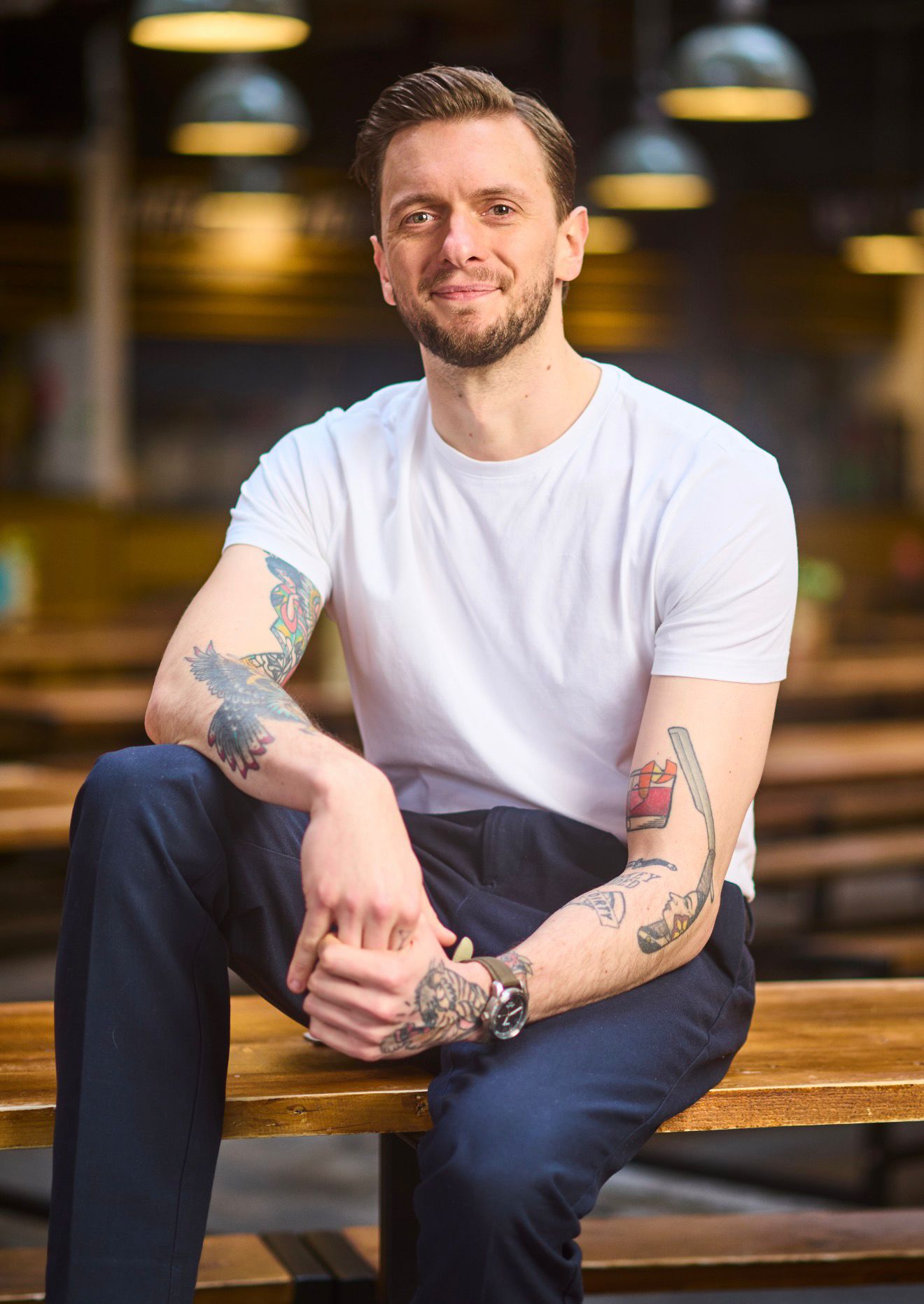
Jake Whittington
Trustee
Managing Director — The Little Blackpool Leisure Company Vice Chair — Blackpool BIDs Vice Chair — Blackpool Pubwatch I became a trustee for Counselling in the Community around four years ago because I believe deeply in the vital, accessible support it provides across Blackpool and the Fylde Coast, an area where many people truly need this support. I've seen first-hand the impact through both close friends and members of my team who've benefited immensely from the service. I strongly believe in the work Stuart and the team are doing, and I'm proud to support it.
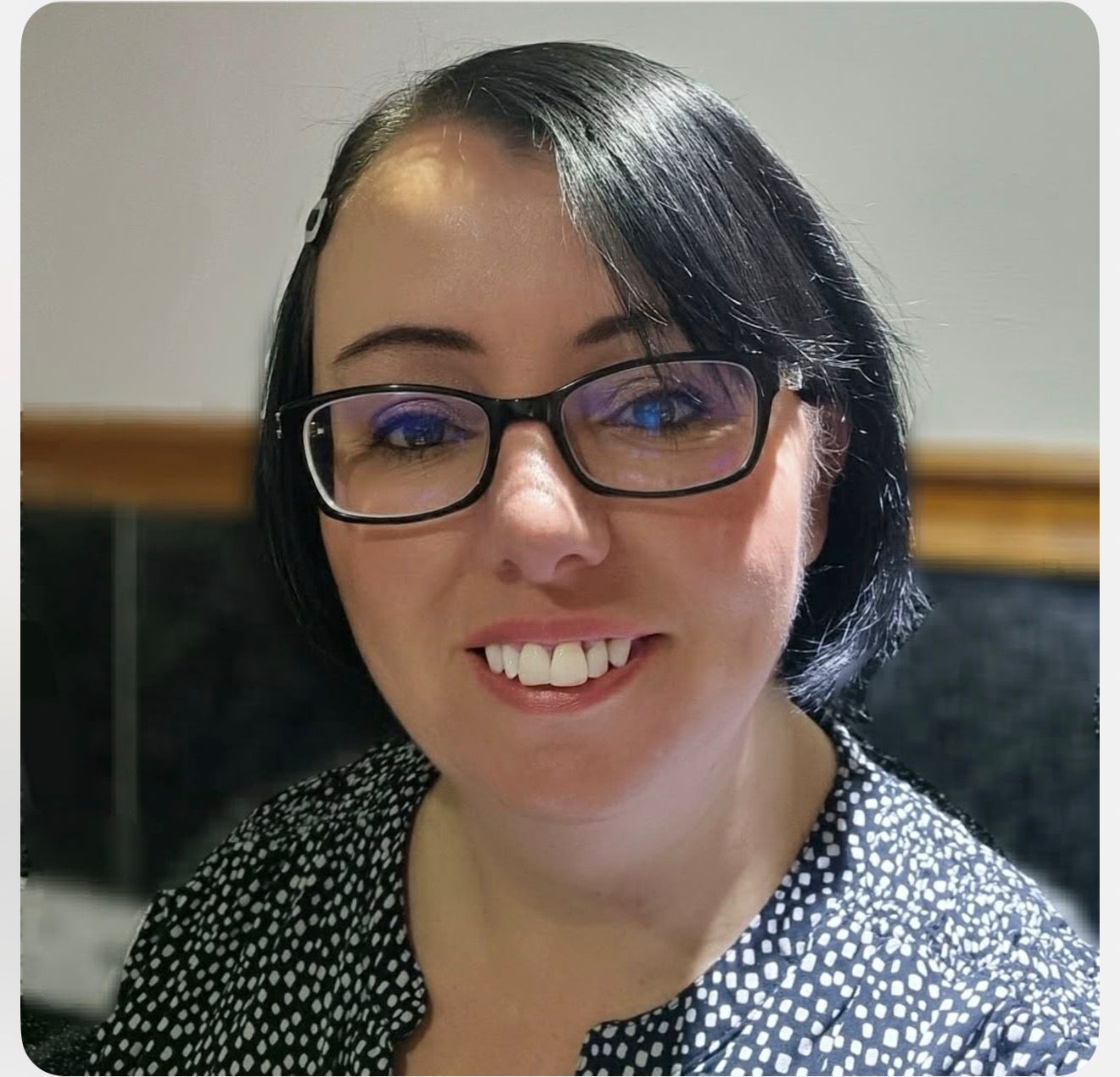
Tracey
Trustee
I work as a Career and Employability Officer at a local college and serve as a governor for an education trust. Both roles are built around the same thing — helping young people see past where they're starting from, and trust what they're actually capable of. As a trustee I bring experience in safeguarding, youth support and community engagement. I'm a specialist in neurodivergent communication, certified in kinesics (the reading of body language), and particularly interested in how neuroscience can help young people understand themselves and build real confidence. My work with young people has been recognised through industry awards along the way, but the part that matters to me is the work itself. Supporting people's mental wellbeing alongside their future has shaped my whole working life — and it's why I said yes to backing a charity that does both, quietly and locally, without judgement.
[Trustee Name]
[Role / Responsibility]
[Trustee Name]
[Role / Responsibility]
[Trustee Name]
[Role / Responsibility]
100+
Dedicated volunteers
Every session we deliver is made possible by our trained volunteer counsellors, trustees, and supporters. Some give one morning a week. Some give more. Every contribution matters.
Become a volunteerVolunteer Counsellor
Use your training to provide one-to-one support to people who need it most.
Trustee
Help guide the strategic direction of the charity as a board member.
Corporate Partner
Support community mental health through sponsorship or in-kind support.
Meet the team
Counsellors
Hannah
Student Placement Coordinator
I'm the Student Placement Coordinator here, and a qualified counsellor working with adults. I joined Counselling in the Community in 2019 — first as a student counsellor on placement myself, then, after qualifying, as someone helping the next intake of trainees through theirs. Two things have kept me here: the people inside the organisation, who genuinely look after one another, and the difference the service makes locally.
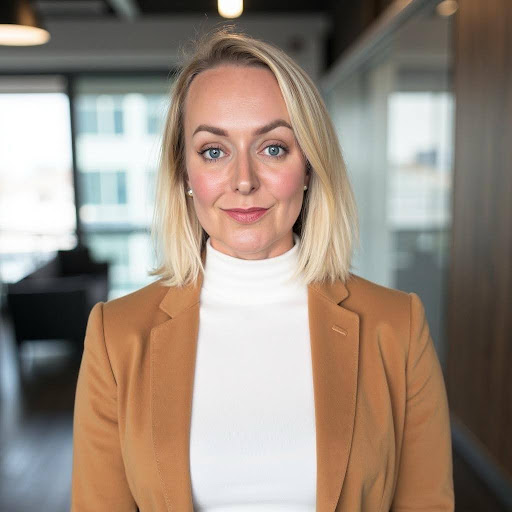
Zoe
Counsellor
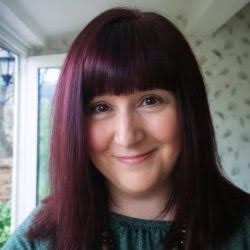
As a qualified integrative counsellor, I work from the belief that no two people arrive needing exactly the same kind of support. I'm trained across a range of approaches — among them CBT, person-centred, solution-focused, transactional analysis, and creative and play-based work — so the therapy can shape itself around you, rather than the other way round. My practice is trauma-informed and neurodivergent-affirming. In plain terms: I'll meet you at your pace, take your experience seriously, and won't expect you to mask or perform to be understood. That matters most when what you're carrying feels heavy or hard to put into words. Much of my work is with people navigating complex trauma, eating disorders, and neurodivergence — but whatever's brought you here, you'll find a calm, flexible space and a counsellor willing to work with the whole of you.
Helen
Counsellor
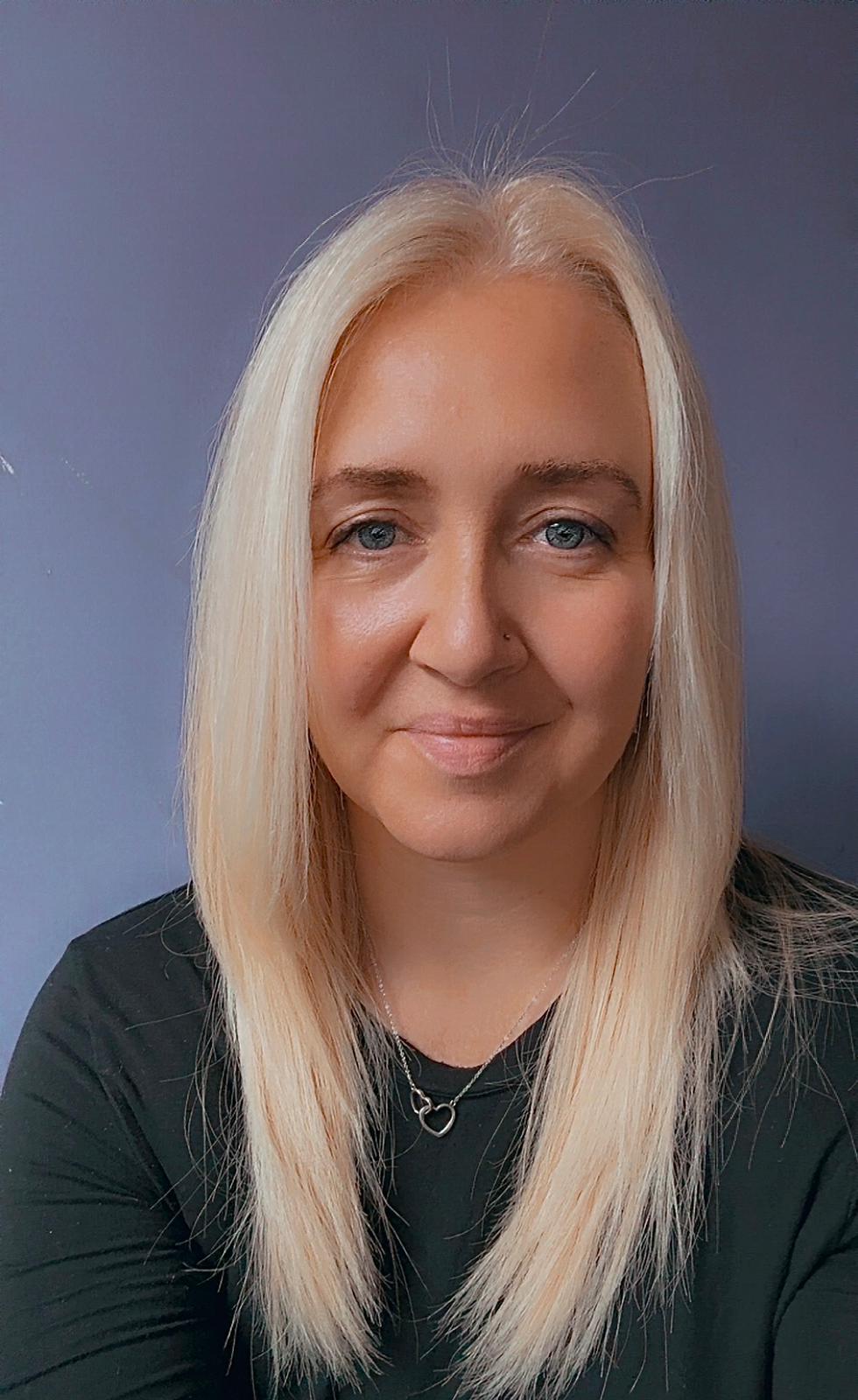
I'm a qualified person-centred counsellor with additional training in working with children and young people (11+), alongside adults. Person-centred work means exactly what it sounds like: you set the pace, you choose what we bring into the room, and my role is to listen properly while you do. Much of my experience is with neurodivergent clients — autism (including PDA), ADHD, and dyslexia — and with people working through trauma, bereavement, domestic abuse, and questions of identity. I've also supported looked-after children whose counselling follows life-story work, and I'm experienced with EHCP-linked referrals. Whatever you arrive with, you'll be met with warmth and respect. This is your space to be heard exactly as you are, and to shape your own story in your own words.
Lucy
Counsellor
No two people arrive in therapy with the same story, so I don't work from a single script. I'm an integrative counsellor, which means I draw on different therapeutic approaches depending on what will genuinely help the person in front of me. What I offer first is a calm, non-judgemental space — somewhere thoughts and feelings can be spoken out loud without fear of getting them "wrong". From there, we work together to build healthier coping strategies, grow resilience, and find steadier ground through difficult experiences and transitions. I hold an honours degree in counselling and have supported adults, children, and young people through a wide range of emotional and life challenges. Whatever you're bringing, you'll be met with warmth, care, and the time to be properly heard.
Chris T
Placement Counsellor
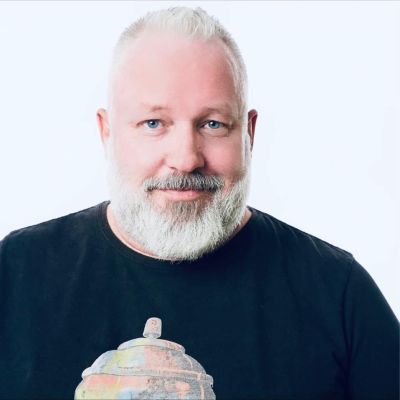
I draw on person-centred, CBT, and psychodynamic approaches in my work — different routes into different problems, which lets the therapy shape itself around what you actually need. I'm currently finishing my Level 4 Diploma and moving on to Level 5. Much of what I work with comes from everyday life: addiction, anxiety, depression, bereavement, phobias, stress and work pressure, relationship difficulties, and questions of motivation and direction. I'd particularly like to play a part in breaking the stigma that men don't talk about how they're feeling — and to encourage more men to open up, to me, and to each other. Outside the therapy room I'm a drummer, rarely far from music. Whatever brings you here, you'll find someone willing to meet it without judgement.
Clive
Counsellor
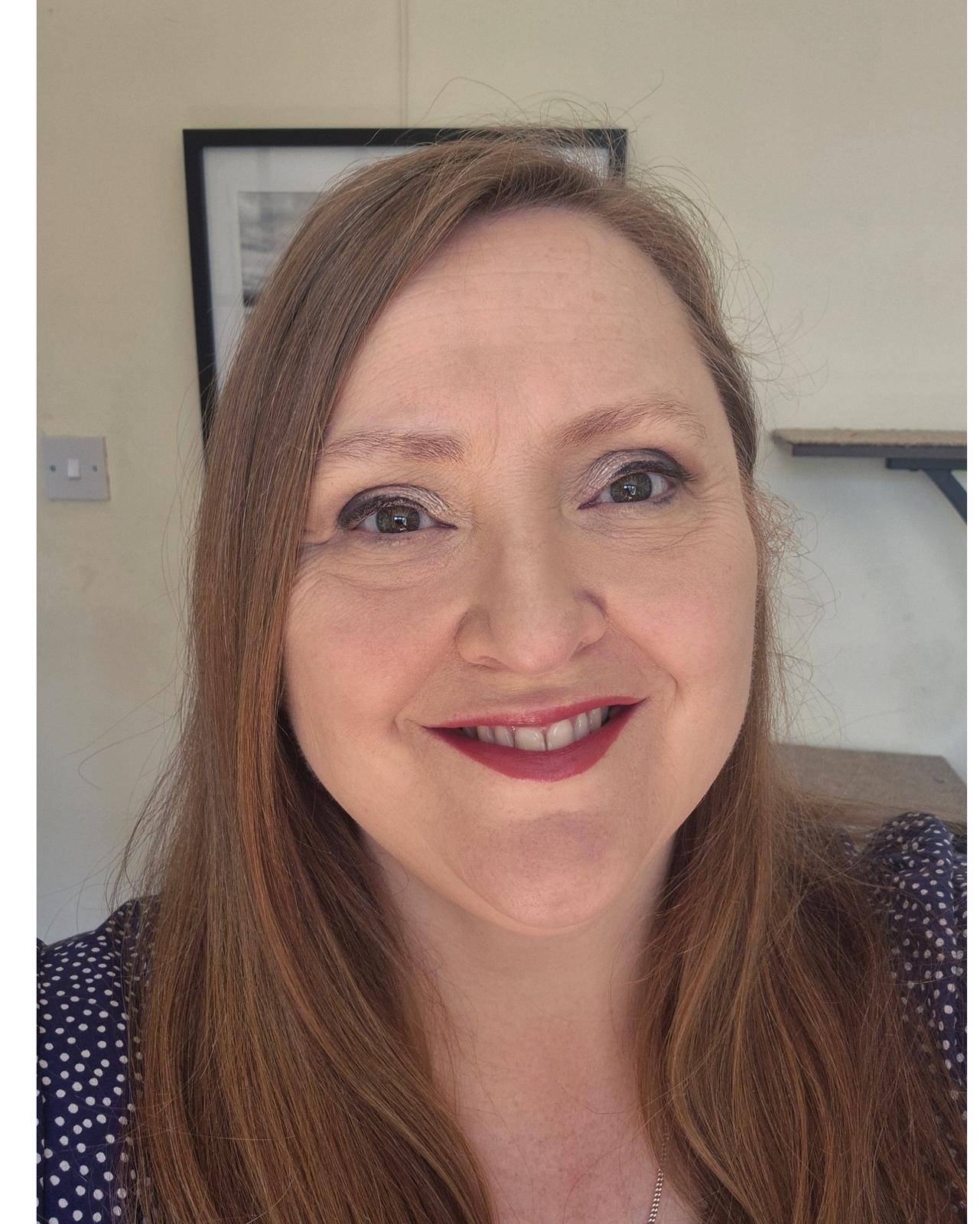
I'm a qualified psychotherapist trained in person-centred therapy, and I've been volunteering at CITC for three years. Most of my work here is with mature students — people balancing study with the rest of life, whose mental health doesn't always fit neatly around either. Person-centred work means you set the pace. There's no agenda I'm trying to steer you toward. My job is to listen properly and to hold a steady, non-judgemental space while you work out what you need.
Mel
Counsellor
I'm a qualified person-centred therapist working with adults and young people. I joined CITC in 2020 while I was still training, and I've stayed on since qualifying. Before counselling I was a primary school teacher — much of what I do now is supporting young people through mental health difficulties, alongside parents whose children are navigating oppositional behaviours or ADHD. I draw on a range of approaches depending on what's needed — AMBIT, low-level CBT, PACE, and solution-focused work — so the therapy can shape itself around you, rather than the other way round. Outside the room I'm usually planning the next trip (Norway is the place I keep going back to), listening to 90s rock or live music, and being bossed about by my two cats, Kevin and Marvin.
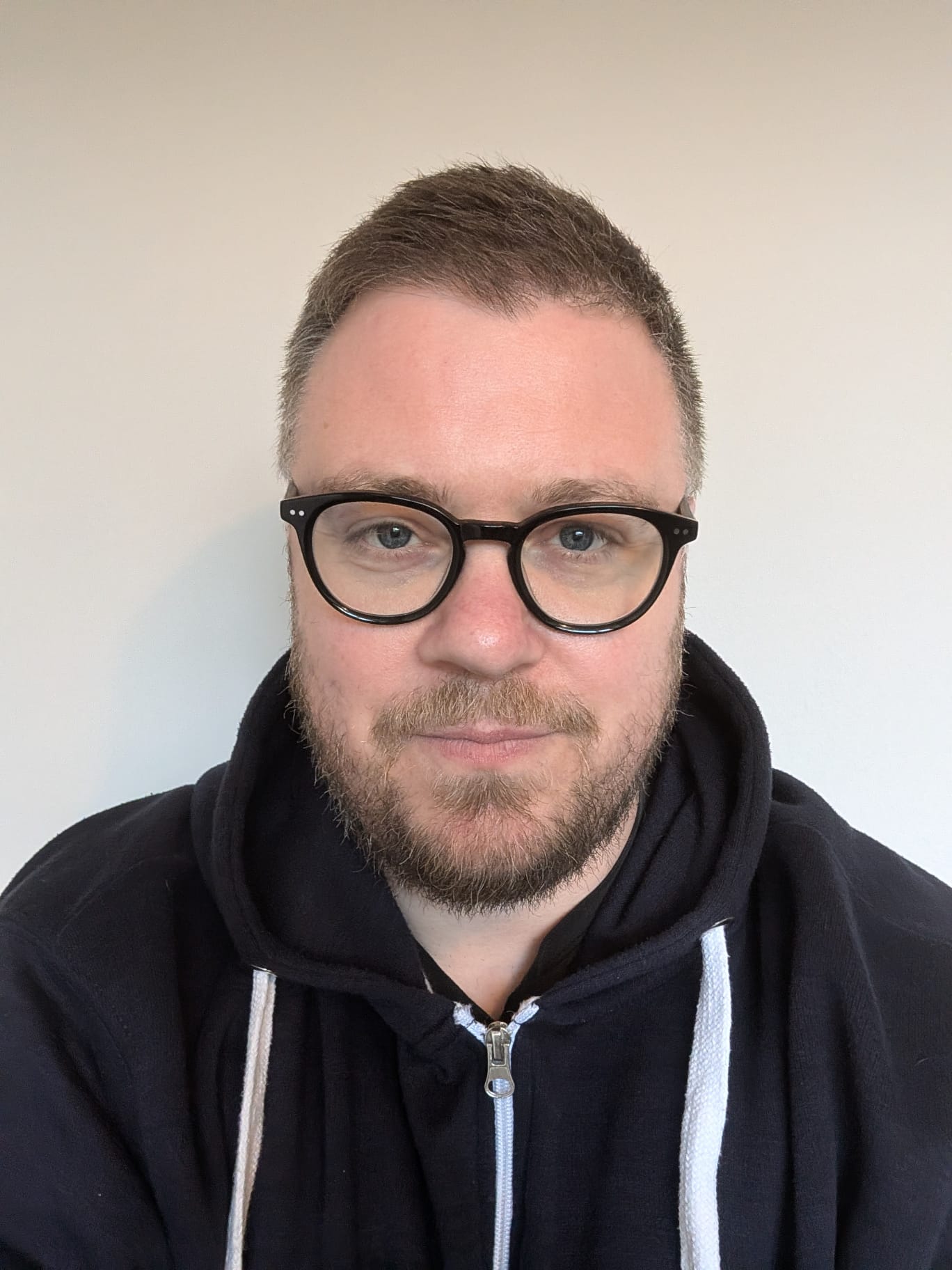
Andy
Counsellor
As a person-centred counsellor, I work from the belief that you are the expert on your own life. My job isn't to fix or advise — it's to offer the warmth, safety, and non-judgemental space you need to reconnect with yourself and find your own path through. I've been at CITC for two years now, and I'm genuinely proud to be part of this team. Whatever brings you here, you'll be met without judgement and given the time to be properly heard.
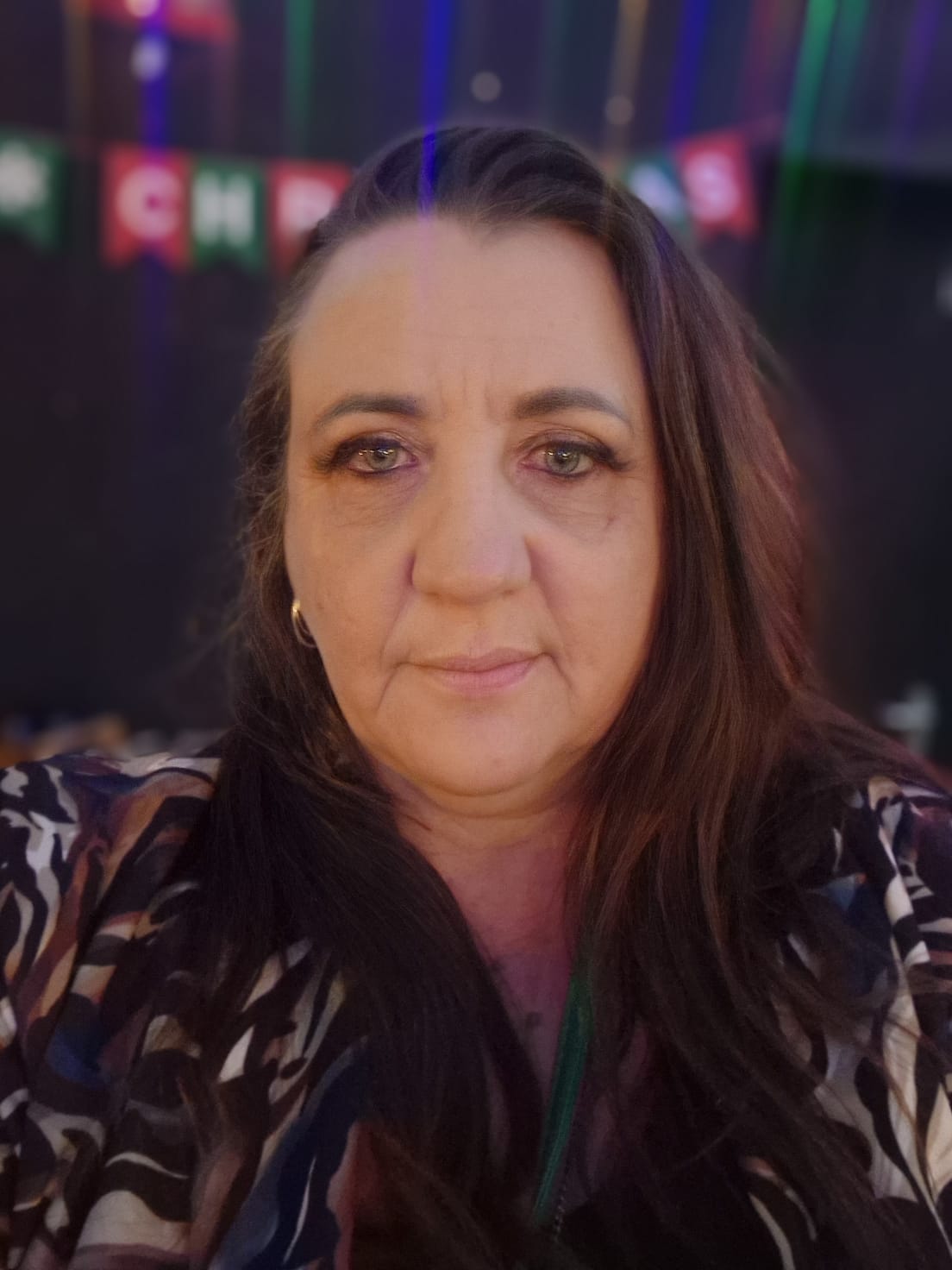
Julie
Counsellor
I'm a qualified integrative counsellor, and much of how I work comes from my own experience of being on the other side of it. For years I saw things through a negative lens, stuck in thought patterns that kept me there. Counselling taught me how much can shift when you learn to look at a single thought differently — how that one change can alter the way you feel, respond, and move forward. Integrative simply means I tailor each session to you, rather than working from a fixed script. Together we'll explore what's on your mind in a warm, supportive, and non-judgemental space — gently reframing unhelpful perspectives, building self-awareness, and finding healthier ways of thinking and coping. Outside the room I'm happiest spending time with my family, and I unwind by watching the darts, walking on the beach, or wandering round a garden. Those small, grounding things keep me steady — and remind me how much the ordinary moments matter.
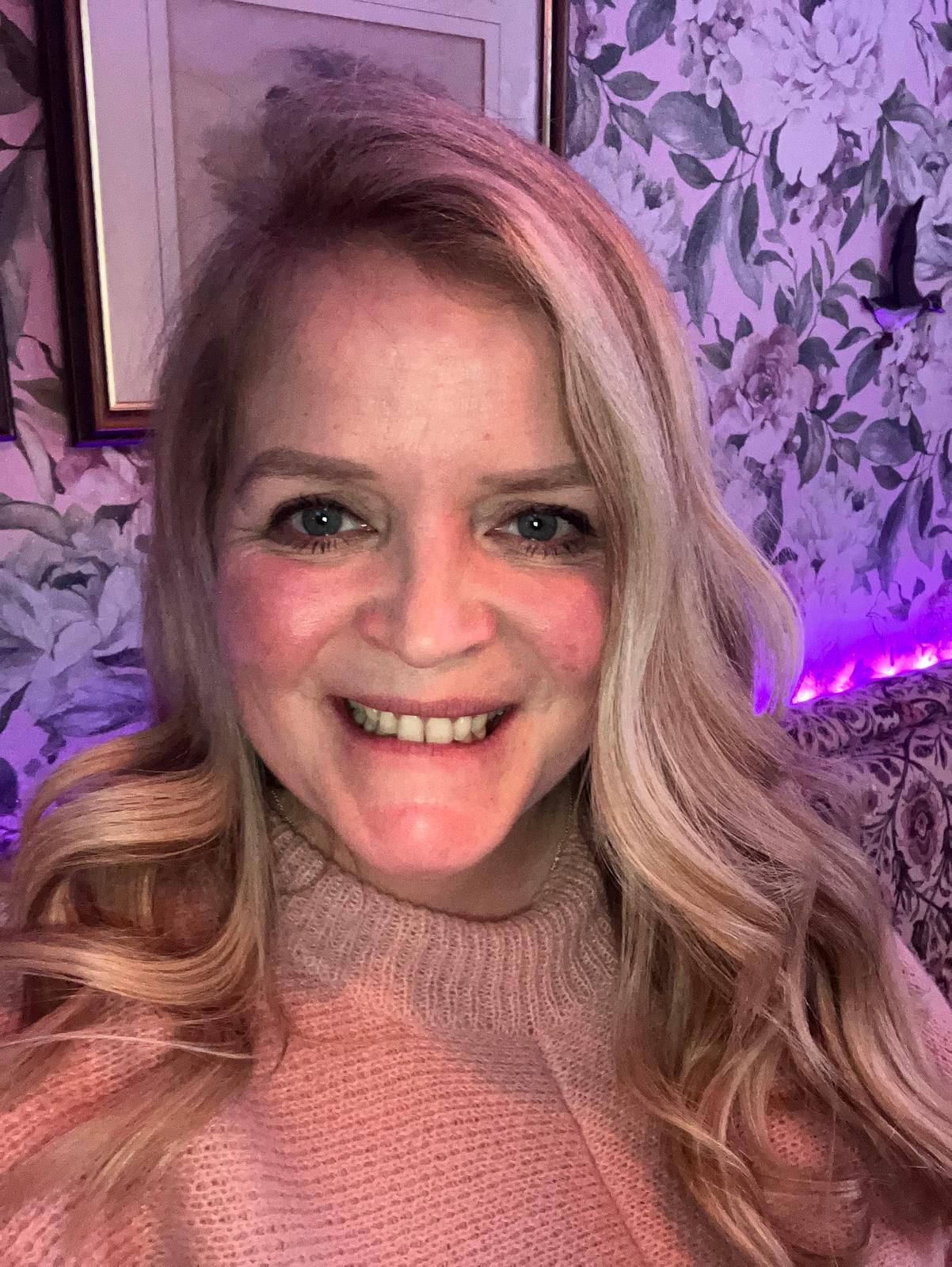
Emma
Placement Counsellor
I'm a placement counsellor studying the person-centred approach — a way of working rooted in the belief that, given the right kind of listening, people can find their own way forward. My job isn't to steer you; it's to walk alongside you at your pace. What I try to offer is a safe, supportive space where thoughts and feelings can be set out in the open without rush or judgement. Sometimes that's what's been missing — somewhere to be properly heard and understood, exactly as you are. Outside of counselling I spend as much time by the sea as I can. It's where I find my own calm, and a reminder that steady, unhurried space can make a real difference.
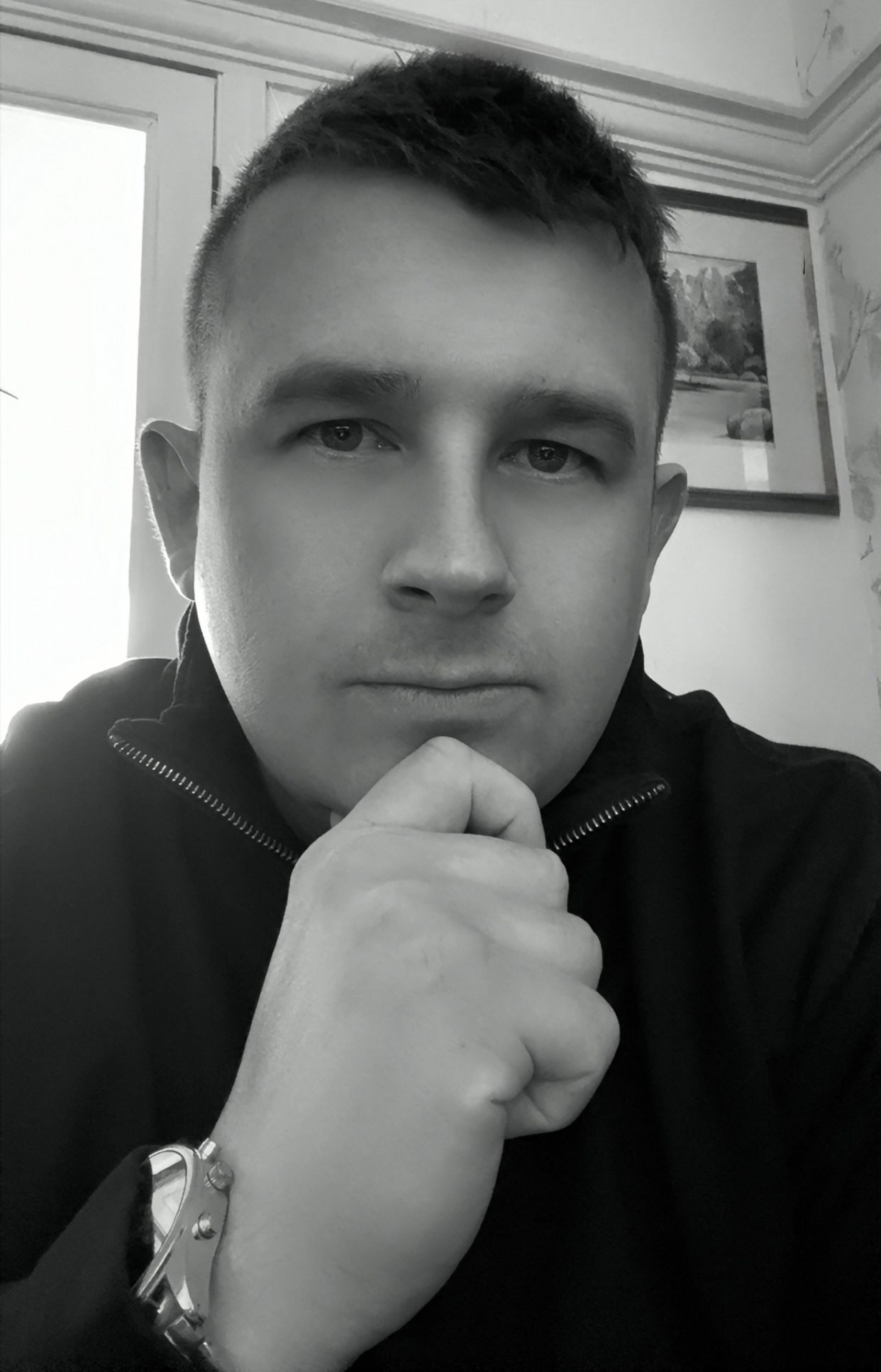
Chris R
Placement Counsellor
I'm a placement counsellor, currently in training and supporting clients as part of my placement. There's a thought I keep returning to that shapes how I want to work with people: "We can't control what has passed or what will come — what we can control is our ability to free ourselves from being responsible for things that are out of our control." For me, counselling is a space to set down what isn't ours to carry, and to look more clearly at what is. Whatever's brought you here, you'll be met without judgement and given the time to be properly heard.
Anna
Placement Counsellor
I'm in my first year of a Level 4 Therapeutic Counselling course — a long-held ambition I'm finally putting into practice. Some of what I bring to this work isn't on a syllabus. A difficult upbringing, leaving home at 18, and the obstacles I worked through afterwards have given me a deep appreciation of what good support can do, and an instinctive empathy for people who haven't always felt heard. At 41, I'm proud to be training in the work I always meant to do. Alongside my studies I work part-time and I'm mum to a lively, sassy two-year-old daughter. In my spare time I'm happiest out in the Lake District with my husband, daughter, and friends. Our cat Rocky is very much part of the family too. What I bring into the room is what those experiences have asked of me — patience, empathy, and the willingness to truly listen.
Jenn
Placement Counsellor
I'm a person-centred placement counsellor. What I offer is a space where we can slow things down and start to make sense of what's going on for you. I bring ten years' experience as a coach, supporting people who are neurodivergent, alongside lived experience of chronic illness and disability. I'm particularly aware of how easy it is to feel misunderstood — even when you are being seen. Outside the therapy room I'm a tattoo collector, and I'm usually listening to music far heavier than most people would choose. It cuts through in a way words sometimes don't.
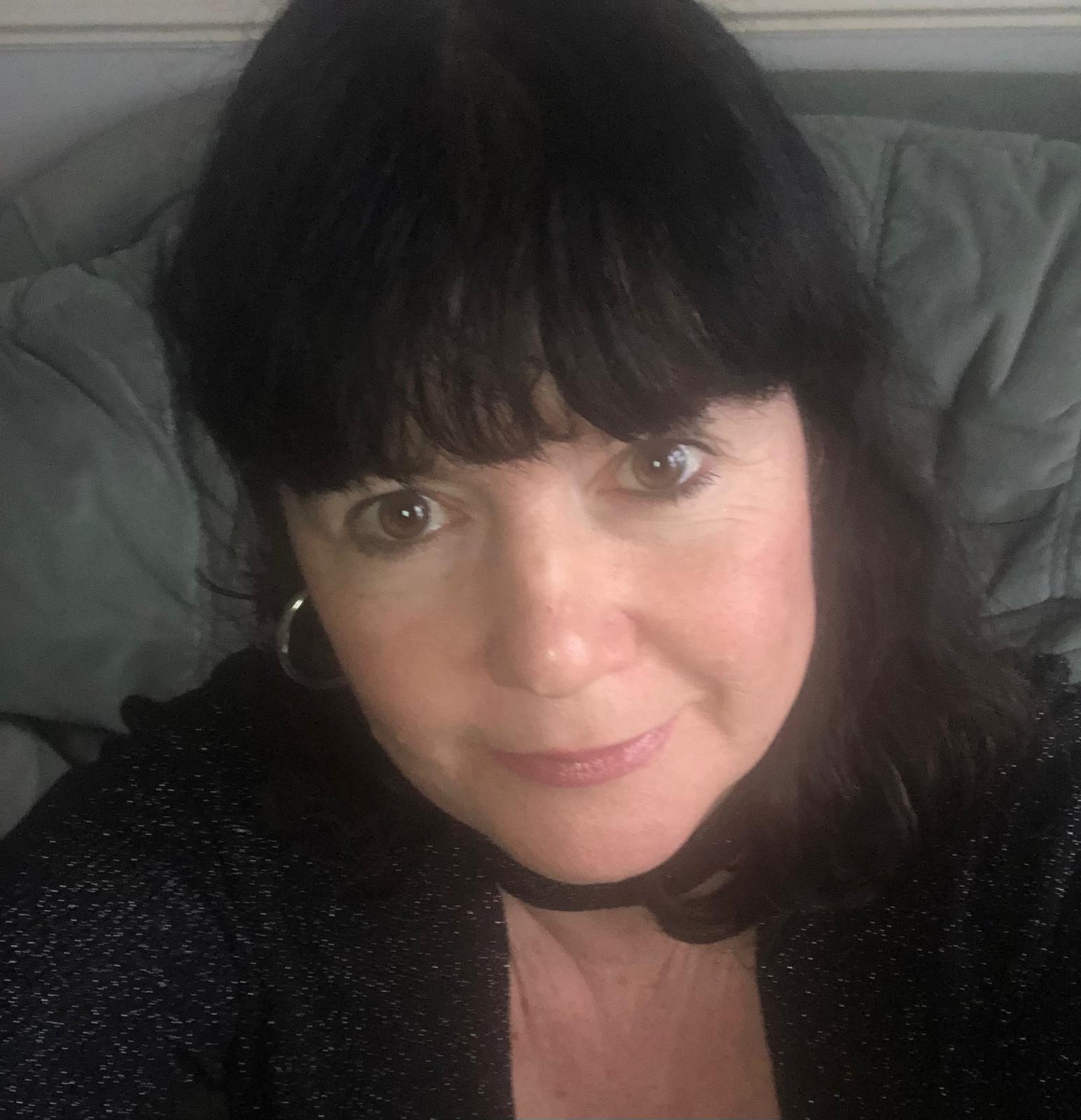
Sam
Placement Counsellor
I'm training as a therapeutic counsellor at Preston College, and the path here started long before that. I've always been drawn to mental health and psychology, and in my twenties I volunteered with the Samaritans — that's where I learned that the most helpful thing is often simply being properly listened to. Outside of training I work in education and I'm mum to twin teenagers, so I'm familiar with the everyday realities of family life, school pressure, and the way emotions show up at home. You'll find me patient and non-judgemental. Whatever you bring, you won't need to tidy it up for me first.
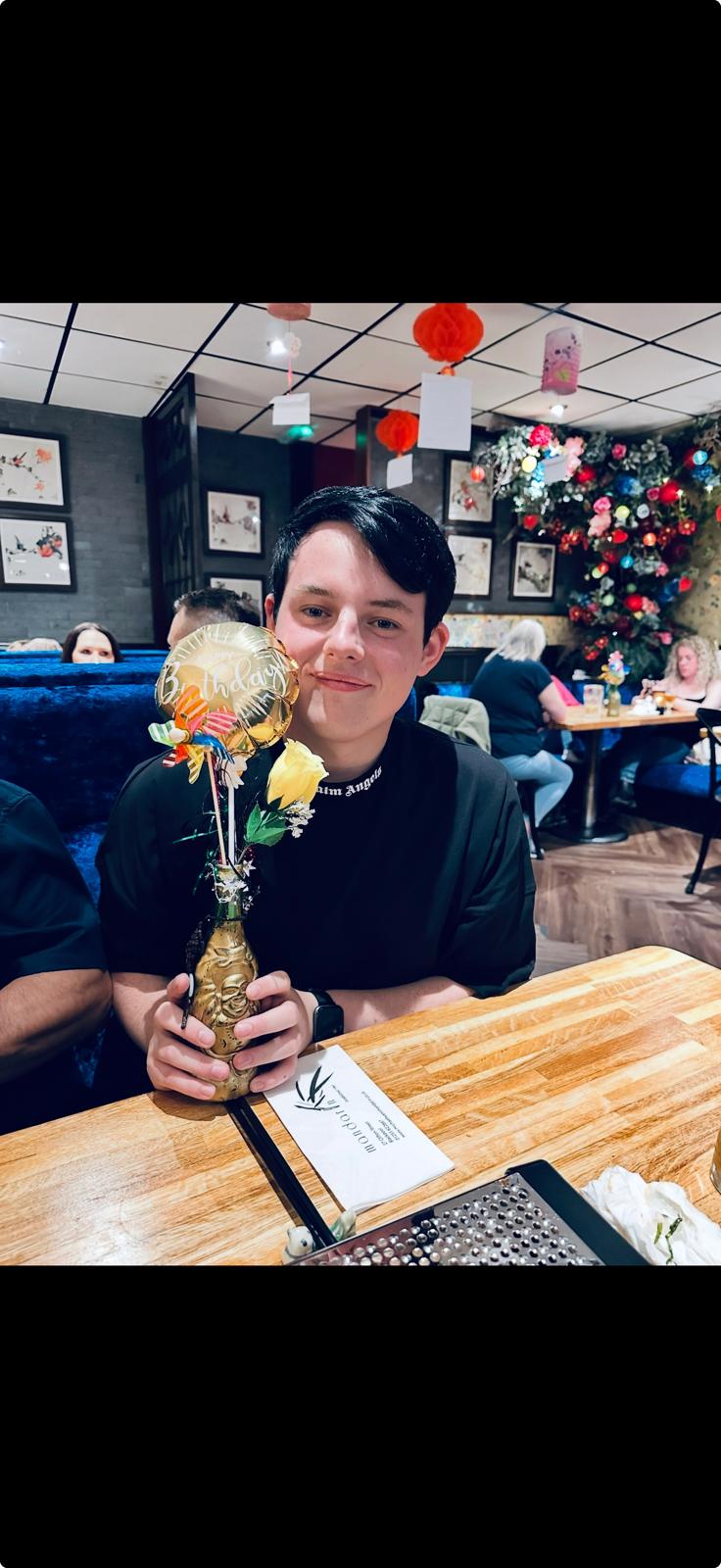
Lewis
Counsellor
I've been a volunteer counsellor here for over two years, working in a pluralistic way — which in plain terms means I don't have one fixed method. I'll listen to what you're carrying, then shape the way we work around what feels right for you, not the other way round. I'm currently training further as a CBT therapist, which sharpens the practical side of what I can offer — useful tools and ways of thinking that help when challenges feel stuck rather than just spoken about. Away from counselling I travel as much as I can. Different places and different ways of living are a reminder that there's rarely one right answer to anything.
Admin staff
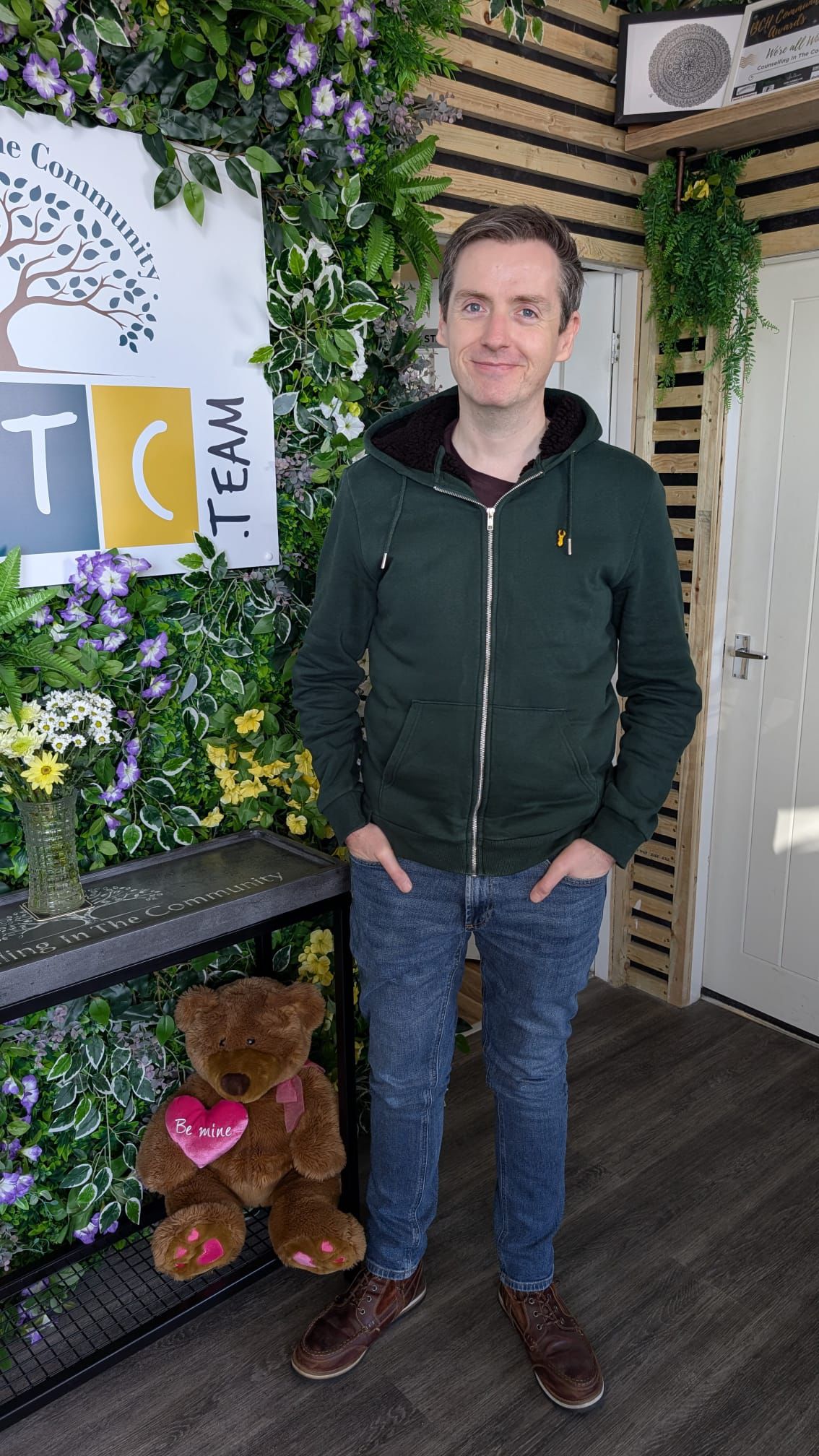
Mike
Operations & Assessments
I first came to Counselling in the Community as a service user and have since repeatedly refused to leave. Eventually they gave me a job to keep me out of trouble. These days I'm part of the admin team. I handle queries of all kinds, support the counsellors with the operational side of things, and run our initial assessments — so if you're getting in touch for the first time, I'm likely the person you'll speak to. Having been on the other side of that conversation, I know how much it can take to make it. I'm always on the lookout for new volunteers to help keep CITC ticking over. If you'd like to know more, email me at volunteer@citc.team.
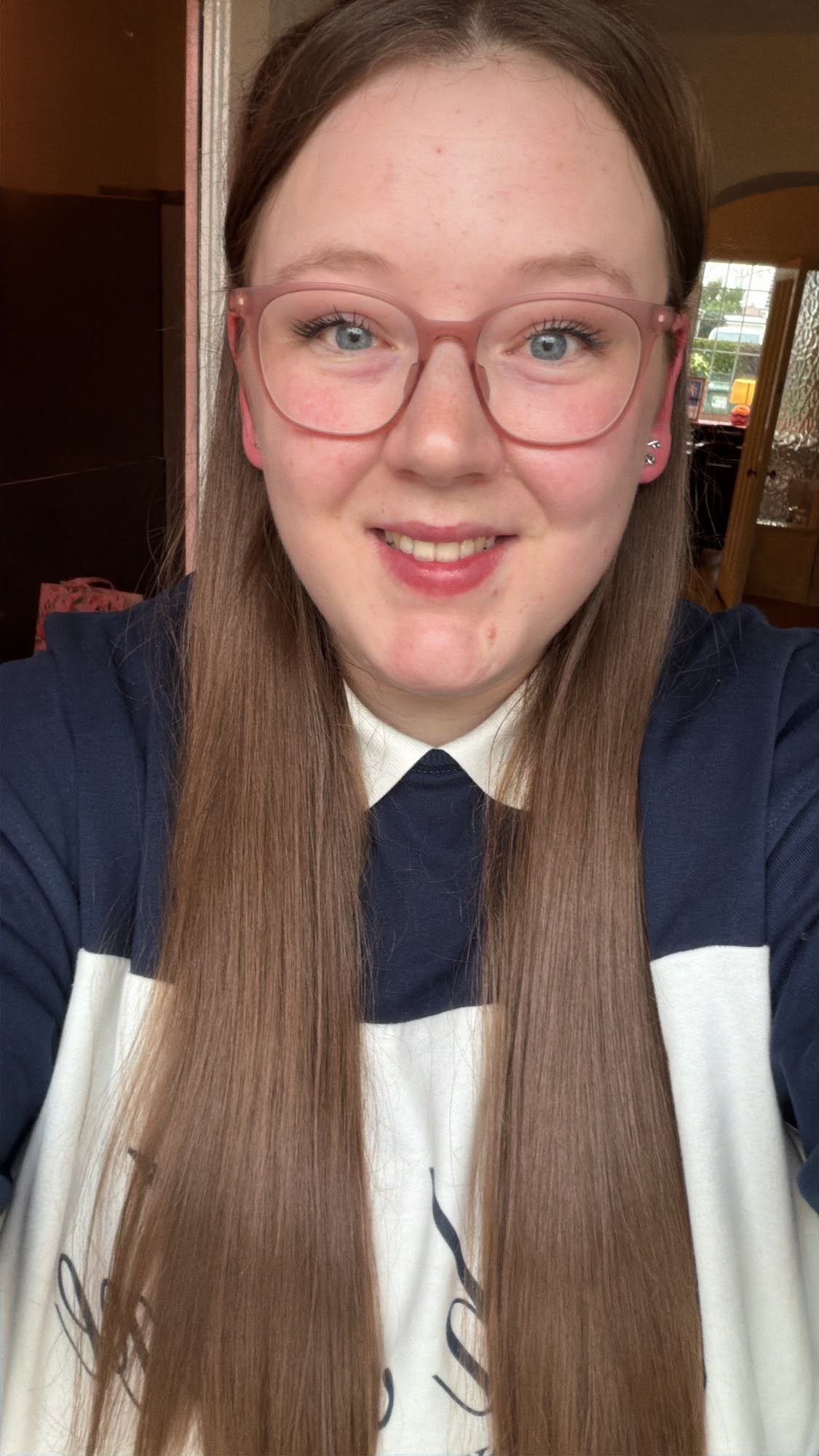
Shannon
Administrator
I joined CITC in November 2025, not long after I'd packed up my life in Oxford and moved to the coast with my two dogs for a fresh start by the sea. I'd finished my Level 3 counselling studies the year before, and I'm taking a gap year before I begin Level 4 next September. Day to day, I look after all things admin — a little bookkeeping, and whatever operational odds and ends need doing to keep us running. I'm beyond proud to be part of a charity that makes such a real difference to people's lives. I was welcomed with open arms from my very first day, and I genuinely feel part of a family that cares deeply about one another.